Empowering Seniors to Engage in Regular Exercise Through Evidence-Based Exercise Guidelines
Wiki Article
Staying active is important for people of every age group, but it grows especially vital as people grow older. For elders, regular movement helps sustaining autonomy, supports mobility, and boosts quality of life. Comprehensive exercise guidelines deliver aging individuals with organized approaches to fitness that cover coordination, flexibility, strength, and stamina. By implementing well-designed exercise routines, seniors can elevate their daily function while reducing the likelihood of injuries, chronic diseases, and emotional difficulties.
Staying fit for older adults is not restricted to strenuous workouts or heavy fitness sessions. It centers instead on safe, gradual, and sustainable physical engagement that matches individual capacities. Routines such as brisk walking, stretching, gentle yoga, and strength conditioning aid in retaining limberness and strength. Aerobic workouts like water fitness or stationary cycling boost cardiovascular function, which are important for maintaining stamina and vitality. These types of exercise also enhance brain health, as findings have demonstrated that routine fitness can boost recall, mood, and mental performance.
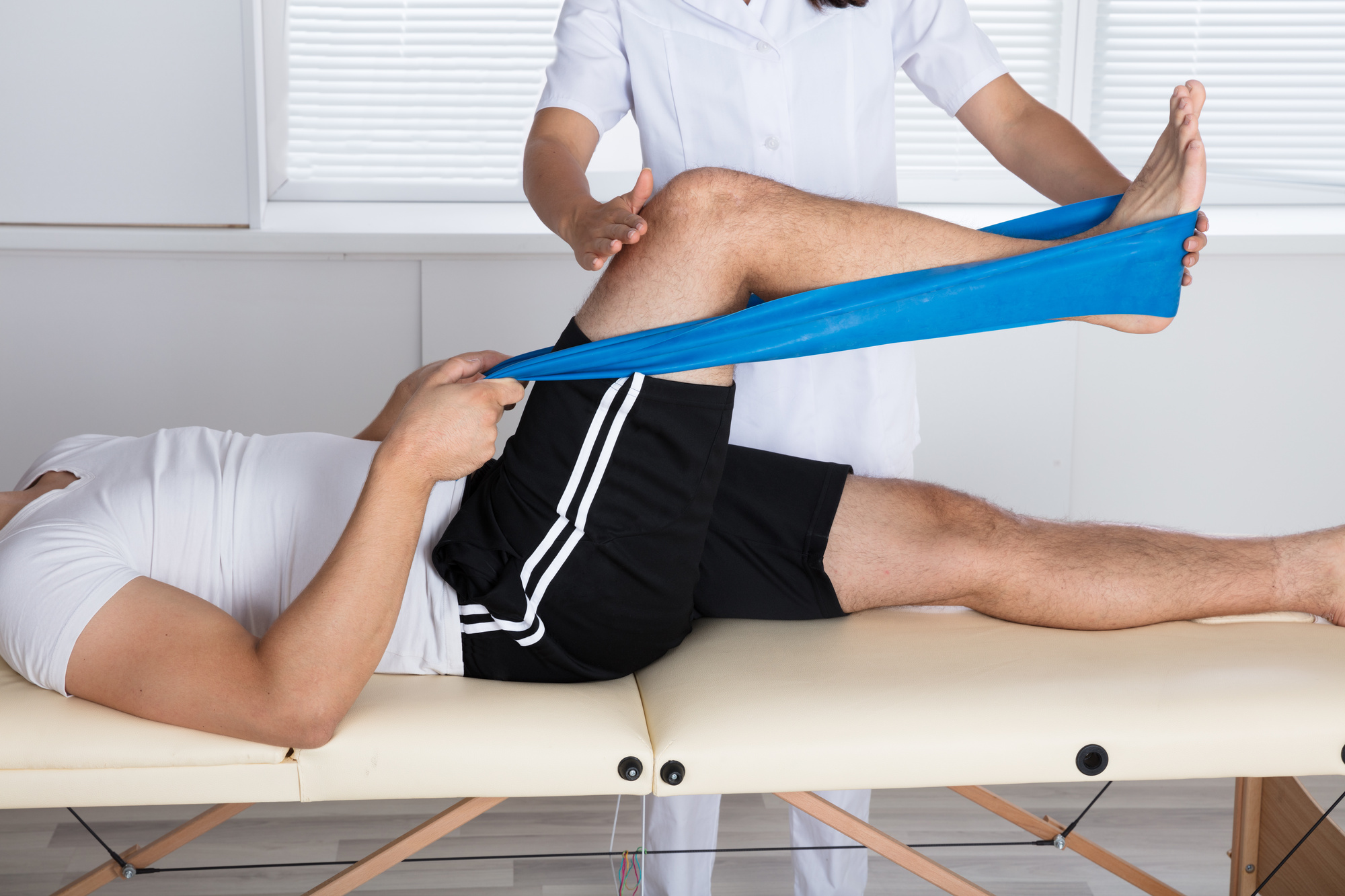
Thorough training plans prioritize a well-rounded method to wellness, integrating muscular, emotional, and interpersonal dimensions of well-being. Older adults are guided to ease in and move forward at a manageable speed, ensuring safety while avoiding fatigue. Incorporating pre- and post-exercise stretches reduces muscle soreness, while adequate water consumption and nutrition enhance exercise routines. Additionally, group fitness environments—such as senior workout groups or fitness meetups—create opportunities for social interaction, encouragement, and emotional support, which are crucial to overall health.
Professional guidance serves a key function in helping seniors develop customized exercise plans. Seeking advice from a great post physicians, physical therapists, or certified fitness trainers guarantees that plans are adapted to specific health conditions, physical capabilities, and targets. These experts can recommend appropriate training methods that address elements such as mobility concerns, bone fragility, or aerobic restrictions. Through regular monitoring and revision, fitness routines remain effective and rewarding, encouraging lasting participation and success.
Ultimately, motivating seniors to adopt exercise through inclusive fitness frameworks builds a culture of healthy living. When seniors are provided with knowledge, inspiration, and guidance, they gain confidence in their physical abilities and enjoy greater independence. Consistent movement boosts not only body health but also cognitive health and psychological balance. By promoting accessible, professionally structured fitness programs, organizations click to find out more can help that every senior has the opportunity to live a balanced, vibrant, and rewarding journey.